
Welcome to Tokyo
Tokyo isn’t just a city — it’s world in itself.
It’s also my favorite city in Asia (I know that’s a bold statement, but you will see why), and easily one of the best places I have ever visited. There is something unique about Japan in general, it grows on you slowly, but back to Tokyo for now..!
Tokyo is one of the largest metropolitan areas in the world (over 37 million residents as of the 2025 data), with more people than entire countries. Despite this, it’s remarkably clean, orderly, and efficient. It’s a place where centuries-old temples sit quietly behind glowing skyscrapers, where vending machines sell hot soup in winter, and where a simple bowl of noodles can rival the best meals you’ve had anywhere in the world. Tokyo moves fast, but it also knows how to pause — in a tea ceremony, under cherry blossoms, or in a tiny neighborhood bar where the owner remembers your face.
Whether this is your first visit or your fifth, this city rewards curiosity. This guide is designed to help you experience the city deeply, not just ticking off sights, but understanding how it feels to be here.
Explore Tokyo by Neighborhood
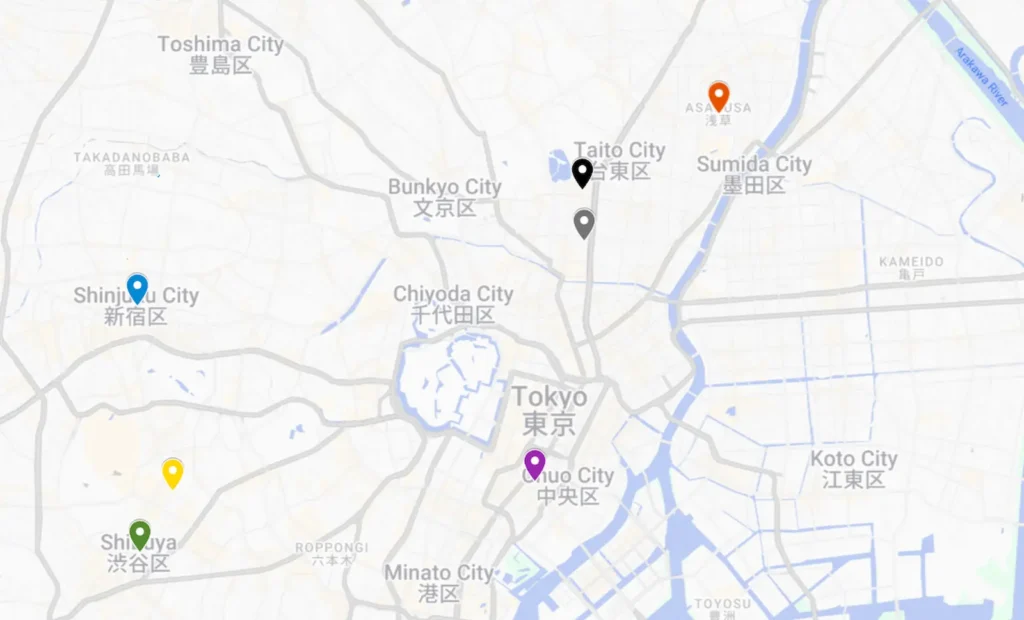
Tokyo is huge, so you need to be strategic if you are visiting for a short 7-10 day trip. The best way is to get familiar with the different neighborhoods and understand what each offers. I’ll try to break it down for you, so you can pick where to stay based on what interests you the most. Each area feels like its own small city and is very unique.
Asakusa – Old Tokyo Charm
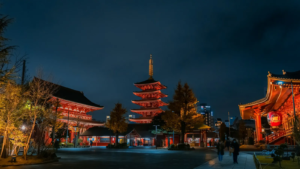
If you’re looking for the Tokyo that existed long before the neon lights and 24-hour convenience stores took over, Asakusa is where you can still feel it. This is one of those neighborhoods where history doesn’t sit behind glass, it walks past you on the street. You’ll see rickshaw pullers jogging through narrow lanes, visitors and locals dressed in traditional kimono, and the soft scent of incense drifting through the air. It feels lived-in, unhurried, and old-school.
 Sensō-ji
- Rickshaw Tours
- Hoppy Street – Izakaya
- Kaminarimon Gate
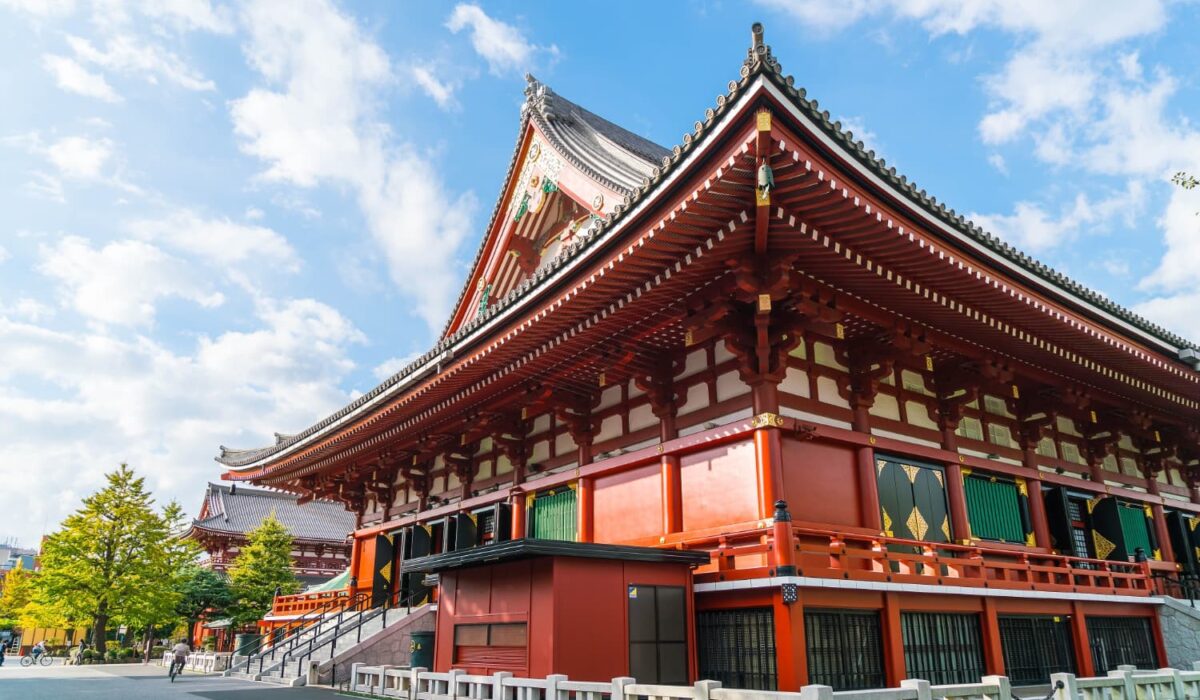
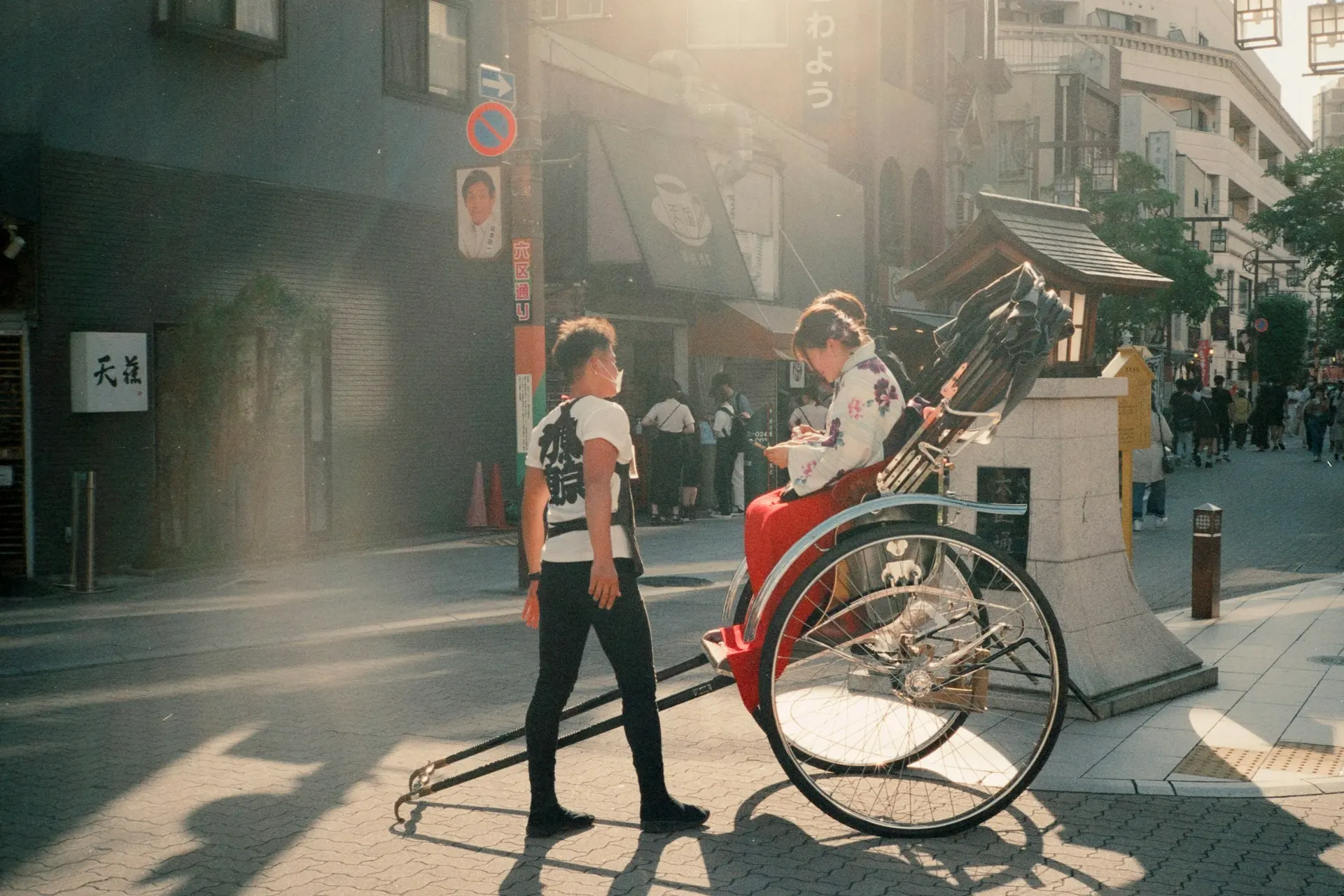
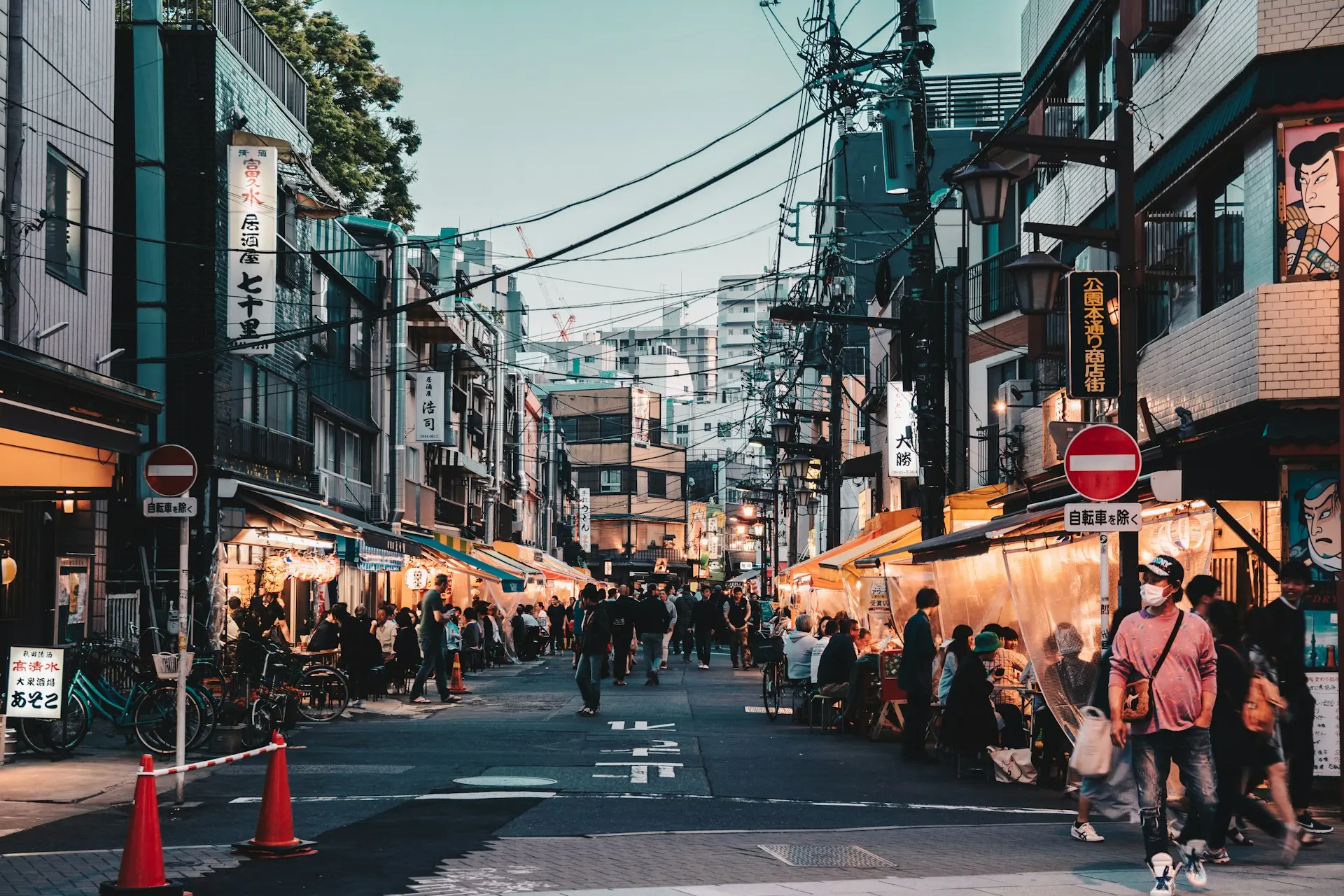
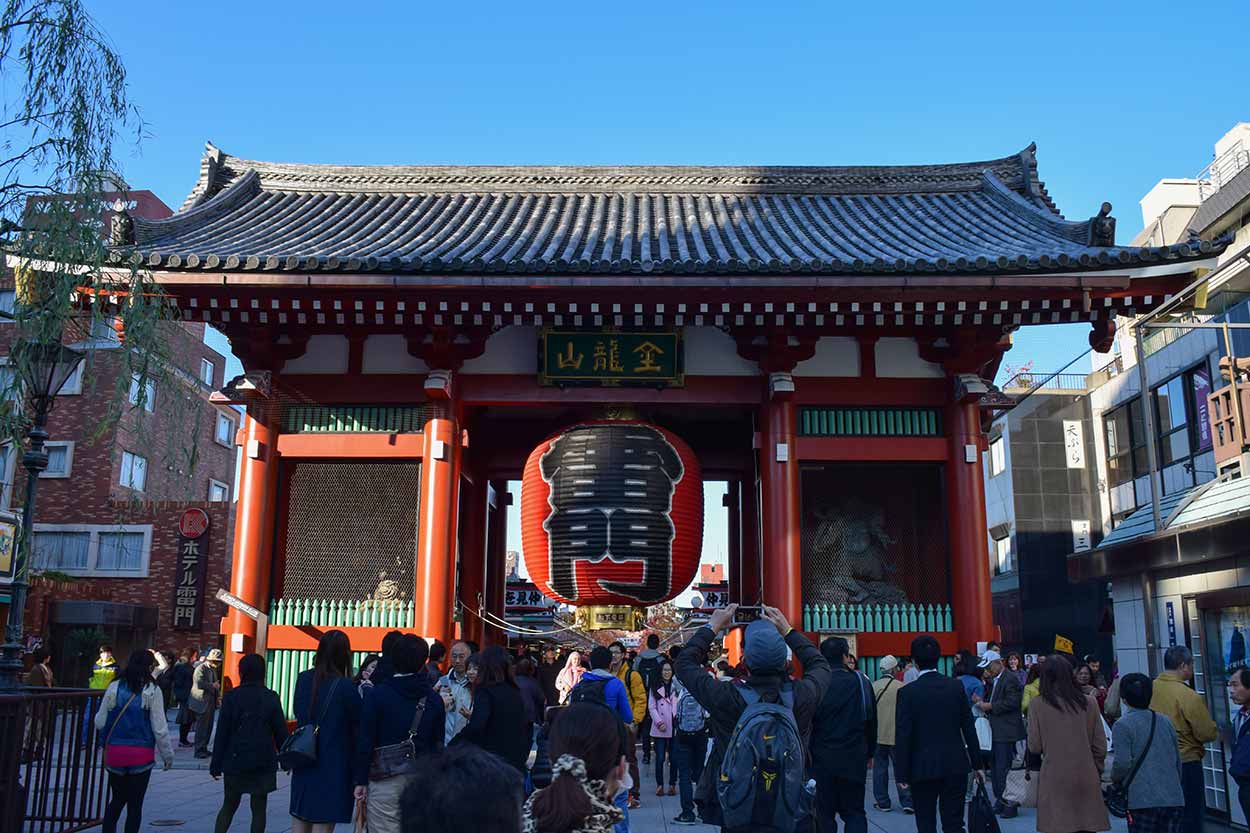
At the center of it all is Sensō-ji, Tokyo’s oldest Buddhist temple and, quite honestly, one of the most beautiful one. Make sure to enter through the iconic, Kaminarimon Gate famous for its massive 700kg red lantern, the walk down Nakamise Street market. This is an experience in itself; part market, part tradition and part organized chaos. You’ll find everything from rice crackers and sweet treats to handmade souvenirs, all while lanterns sway overhead and tourists try very hard not to block traffic while taking photos (we’ve all been there 😛 ).
Walk a little farther from the temple and Asakusa shows you its touristy side. Hoppy Street comes alive in the evenings, with tightly packed izakaya’s still serving Hoppy. A carbonated, beer-flavored soft drink, created as a cheap beer substitute post WW-II when beer was considered a luxury. It’s usually mixed with Shochu another Japanese alcoholic drink. If that’s not your thing they also serve some amazing comfort food and lots of lively conversations. It’s casual, a bit noisy (unlike Japan), and wonderfully unpretentious.
From a practical standpoint, Asakusa is also a smart place to stay. The neighborhood has direct train connections to both Haneda and Narita airports, which means fewer luggage-related regrets on arrival and departure days. It’s well connected to the rest of Tokyo, but at night it settles into something calmer.
How long to stay: At least three to four days.
Not because there’s an endless list of attractions, but because Asakusa works best when you slow down. It’s a neighborhood that gives first-time visitors a sense of Tokyo’s roots, and returning travelers a place that still feels reassuringly familiar.
Other Attractions worth visiting:
- Shin-Nakamise Shopping Street: Try the endless food and shopping options
- Asakusa Sumo Club: A fun experience worth a visit.
- Asahi Beer Hall: Headquarters of Asahi, has a panoramic view from the
Shibuya – Energy, Youth & Iconic Chaos
If you are feeling a sense calm, picturing Asakusa and need some energy and chaos, the next stop is Shibuya…!
Shibuya is Tokyo at full volume. It’s busy, colorful, a little chaotic and somehow still perfectly organized. This is the neighborhood most people picture when they imagine modern Tokyo: flashing screens, night clubs, packed sidewalks, and the famous scramble crossing where hundreds of people cross at once without a single raised voice. It got a lot of tourist attention after the famous car chase from The Fast and the Furious- Tokyo drift.
Fun Fact: Shibuya Crossing is the world’s busiest pedestrian intersection, with up to 3,000 people crossing simultaneously from all directions during peak times and over 2.4 million people annually.
Shibuya is ideal if you like being in the middle of things. It’s energetic without being aggressive, exciting without feeling exhausting , as long as you balance the busy streets with a few calm detours. Stay here if you want Tokyo to feel alive the moment you step outside your hotel. Shibuya is also very central and surrounded with a ton of attractions.
Meiji Jingu is a serene Shinto shrine tucked inside a vast forest in the heart of Tokyo (10 minutes away from Shibuya station). Dedicated to Emperor Meiji and Empress Shōken, it feels worlds away from the city’s neon rush, an oasis where tradition, nature, and quiet reflection come together. This shrine is actually a man-made forest and has over 100,000 trees, donated from all over Japan to create a natural sanctuary. It’s one of the most popular spots in Japan for New Year’s prayers, drawing millions of visitors every January.
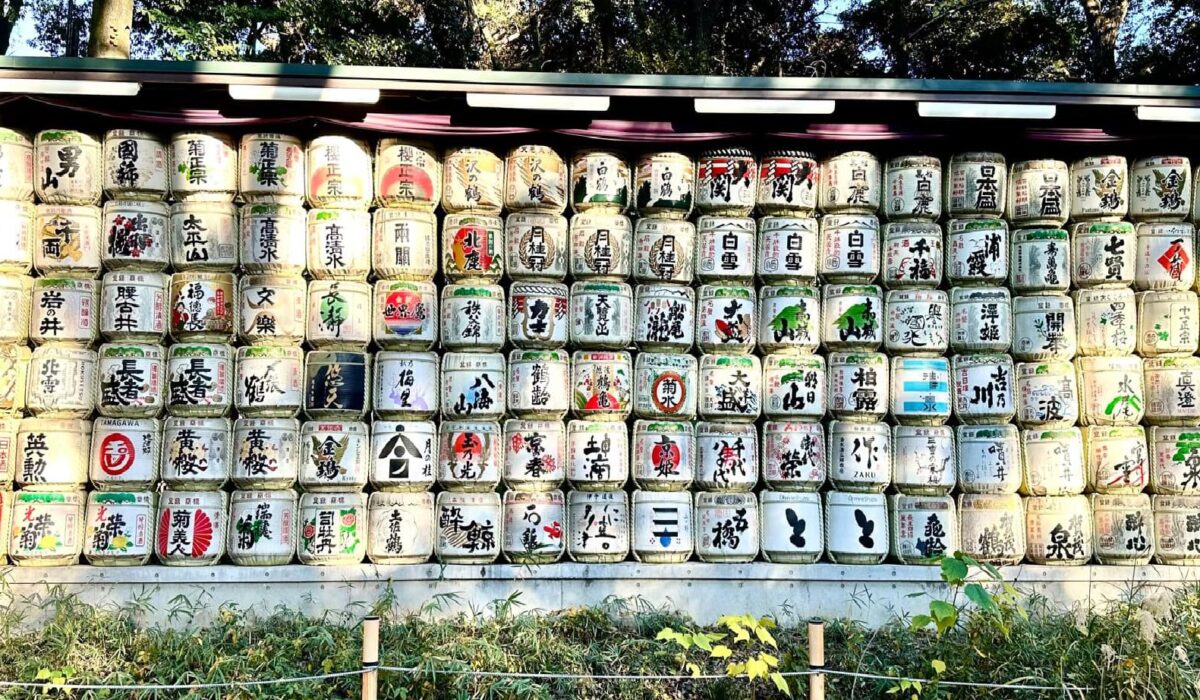 Sake Barrels
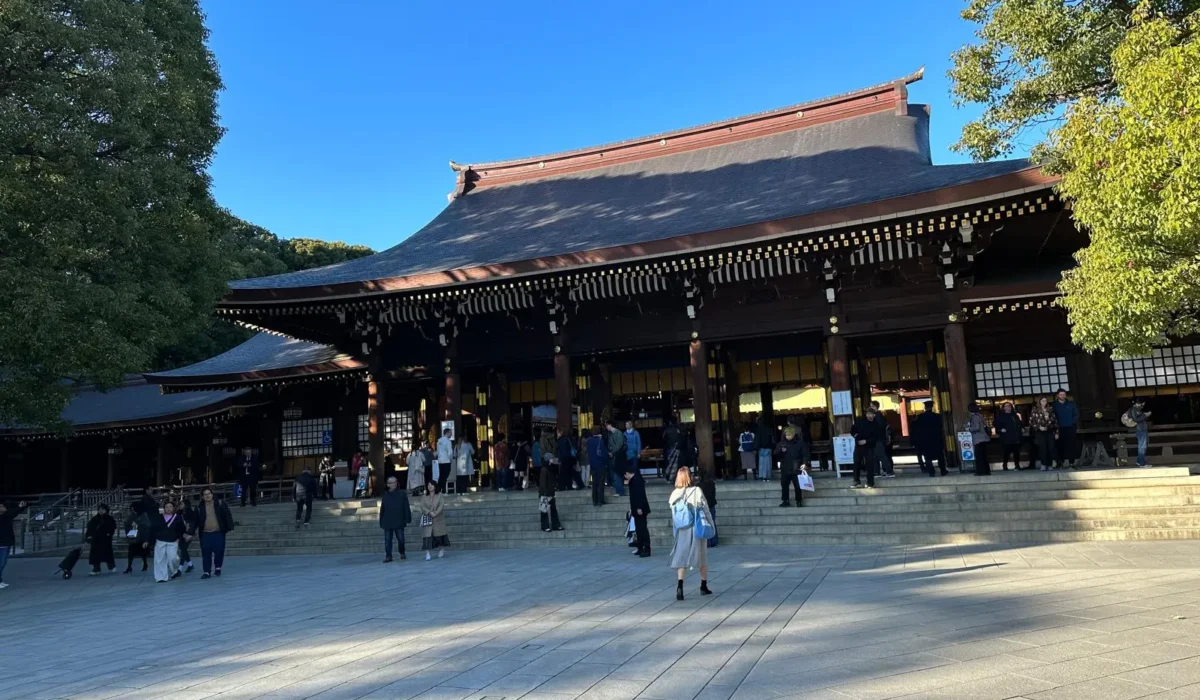 The Shrine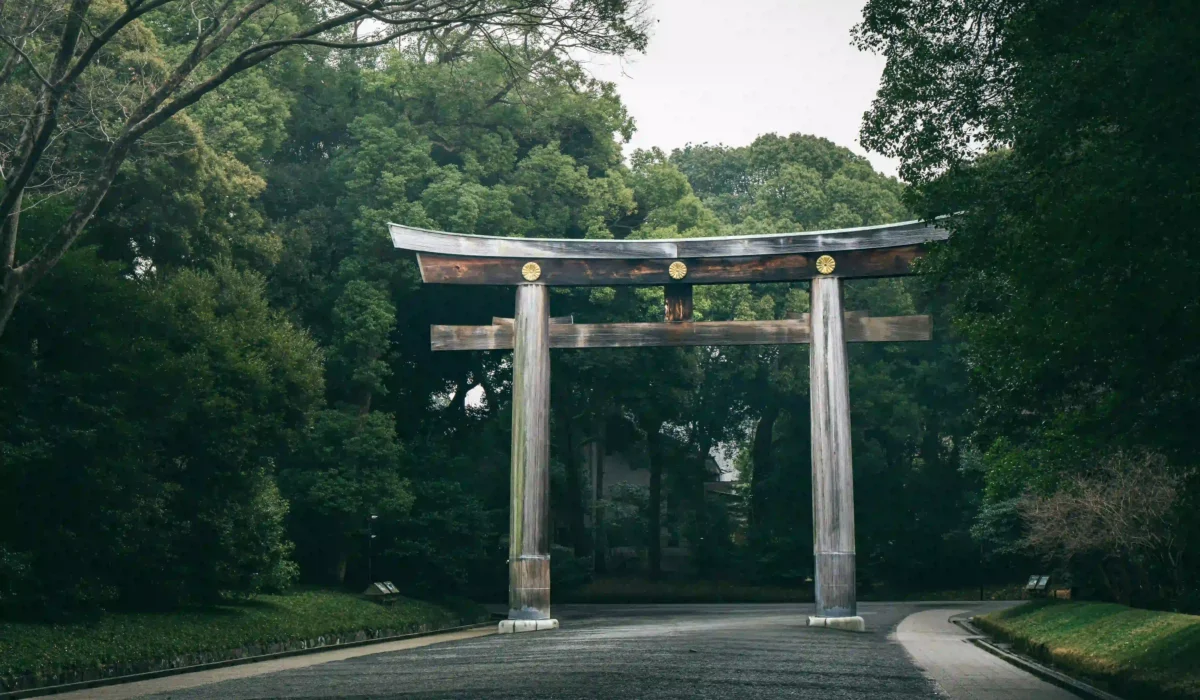
Bonus tip: Also has the trendy Instagram spot with decorative barrels of all a sake from across Japan 🍶.
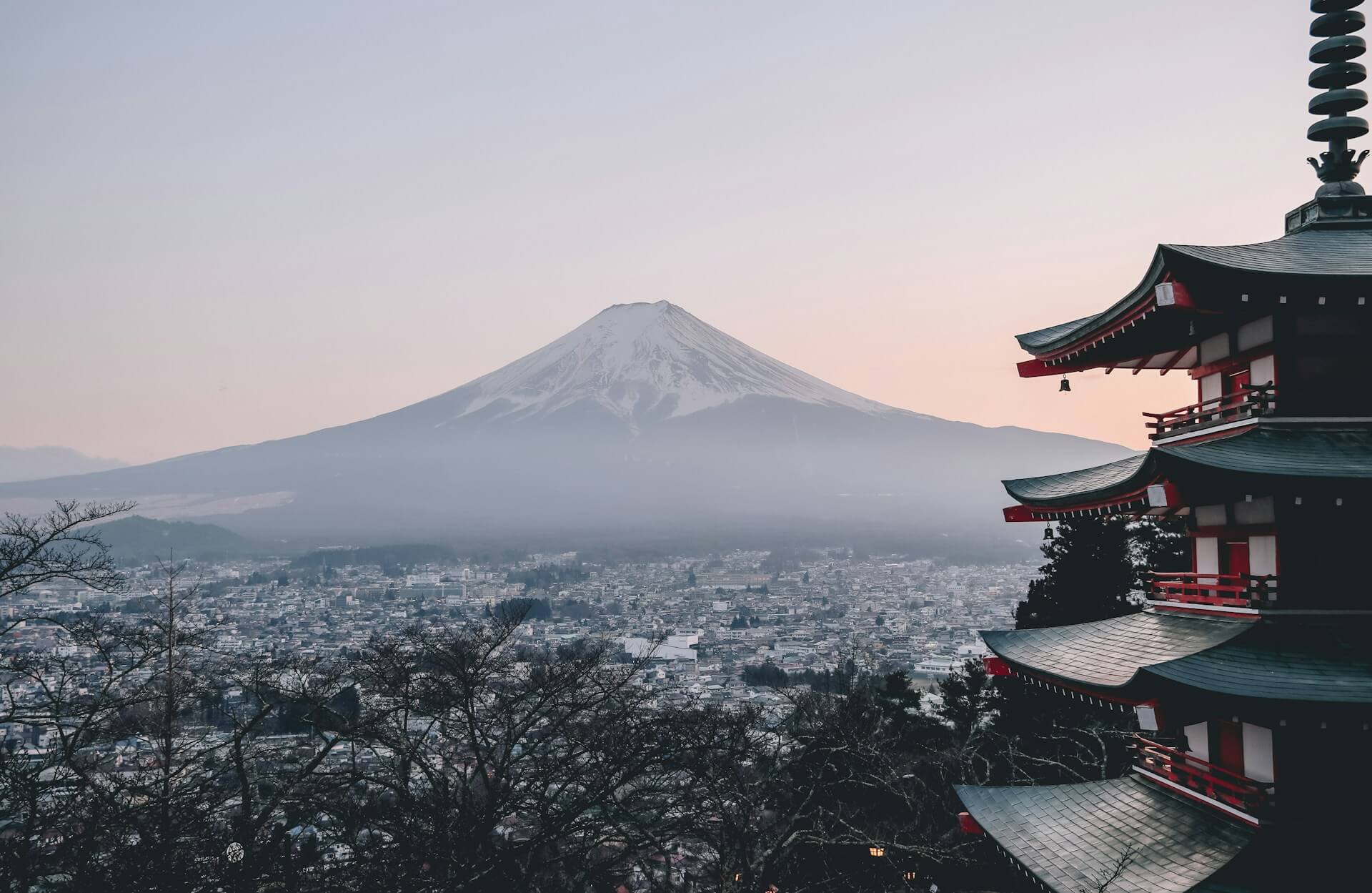
The Shibuya Sky observation deck is another attraction you cant miss. Shibuya Sky is Tokyo’s most dramatic observation deck, rising above the iconic Shibuya Crossing. It offers sweeping 360° views where the city feels endless, especially at sunset, when Tokyo shifts from steel and glass to glowing lights.
Unlike most observation decks, Shibuya Sky is fully open to the sky, no glass barriers at the top level.
Bonus Tips:
📸 Photo rules apply: Loose items (hats, tripods, selfie sticks) are banned to prevent them from flying of, phones get special straps.
🌅 Sunset hotspot: Tickets for sunset hours sell out fast, especially on clear days when Mount Fuji is visible. Book in advance.!
How long to stay: At least two to three days.
Shibuya’s central location makes it very convenient to go about exploring the city. The hotels tend to be pricier and rooms smaller, but who wants to be stuck inside a room when there is so much to explore in the neighborhood.
Bonus:
Shinjuku has the largest Don Quijote Department store in Tokyo, The MEGA Don Quijote Shibuya. It is a massive, eight-story complex operating 24 hours a day. A must visit in Japan…!
Shinjuku – Party District
Shinjuku is famous for its vibrant nightlife. It is the entertainment district of Tokyo, full of glowing neon billboards, loud video game arcades that are open 24 hours, tiny hole-in-the wall izakaya’s where locals and travelers squeeze in side by side and some of the best nightlife you will find anywhere. But wander just a few blocks away and Shinjuku shows a completely different side. The noise fades, the streets get quieter, and suddenly you’re walking past peaceful parks, residential lanes, and small neighborhood bars where most people already know the bartender’s name.
The area around Kabukicho is loud and where most of the action happens. It is also the largest, neon-lit entertainment and red-light district in Asia, also known as the “Sleepless Town”. This is also where you will see the famous Godzilla head for your Instagram story. Just like anywhere else in Japan, the neighborhood feels very safe overall.
If you stroll around the area long enough, you will eventually end up in Golden Gai. It feels like stepping into a different version of Shinjuku altogether, it’s a maze of narrow alleys packed with over 200 miniature bars, many with space for fewer than ten people at a time. Every door hides a completely different personality: jazz bars, rock bars, film-themed spots, and places run by owners who’ve been pouring drinks here for decades. It’s intimate, quirky, and one of the best places to strike up a conversation with strangers from around the world.
Fun fact: Many bars in Golden Gai have no signs at all — you’re meant to wander, peek inside, and choose purely on vibes.
Another hidden gem, Omoide Yokocho is Shinjuku at its most nostalgic. Tucked beside the train tracks near Shinjuku Station, this narrow alleyway is lined with tiny yakitori stalls and old-school eateries where smoke, laughter, and sizzling skewers fill the air. Omoide Yokocho means “Memory Lane,” a nod to its post-war roots when it was a hub for black-market food stalls and cheap drinks. After sunset, the place comes alive with Japanese salarymen unwinding after work, travelers squeezing onto stools, and grills firing nonstop. It’s casual, loud, and wonderfully unpolished, the kind of place where you order with hand gestures and end up staying longer than planned.
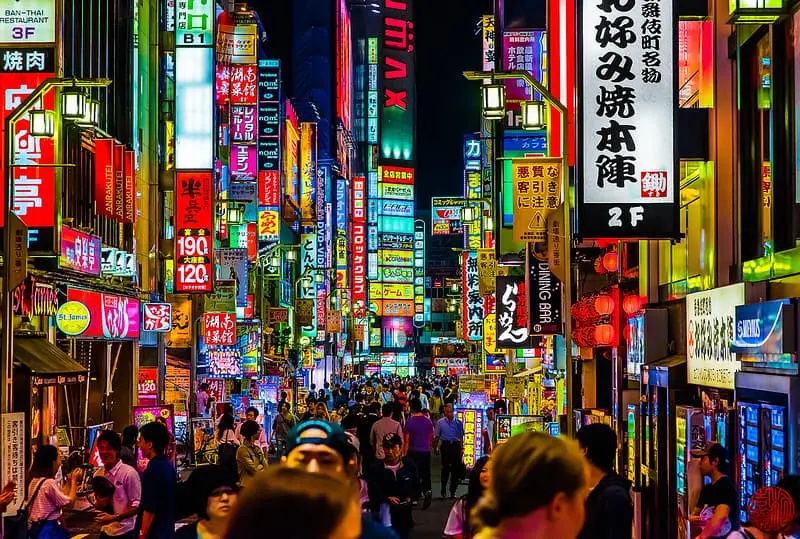 Kabukicho
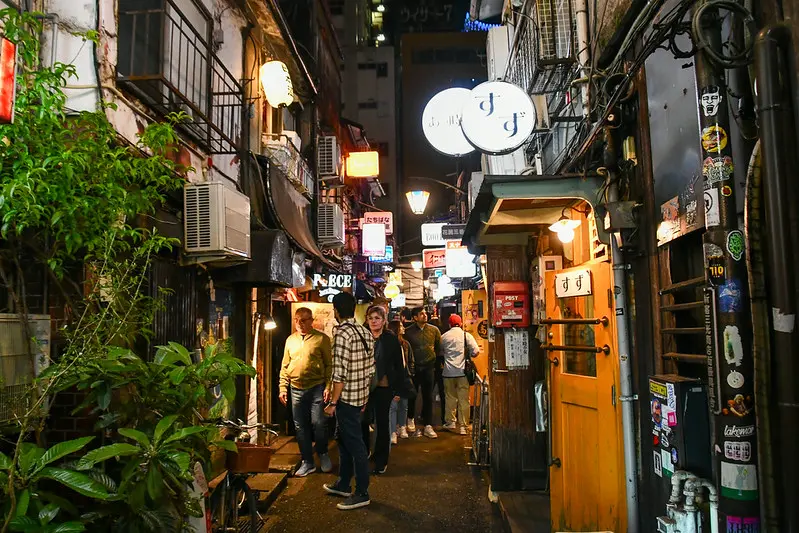 Golden Gai
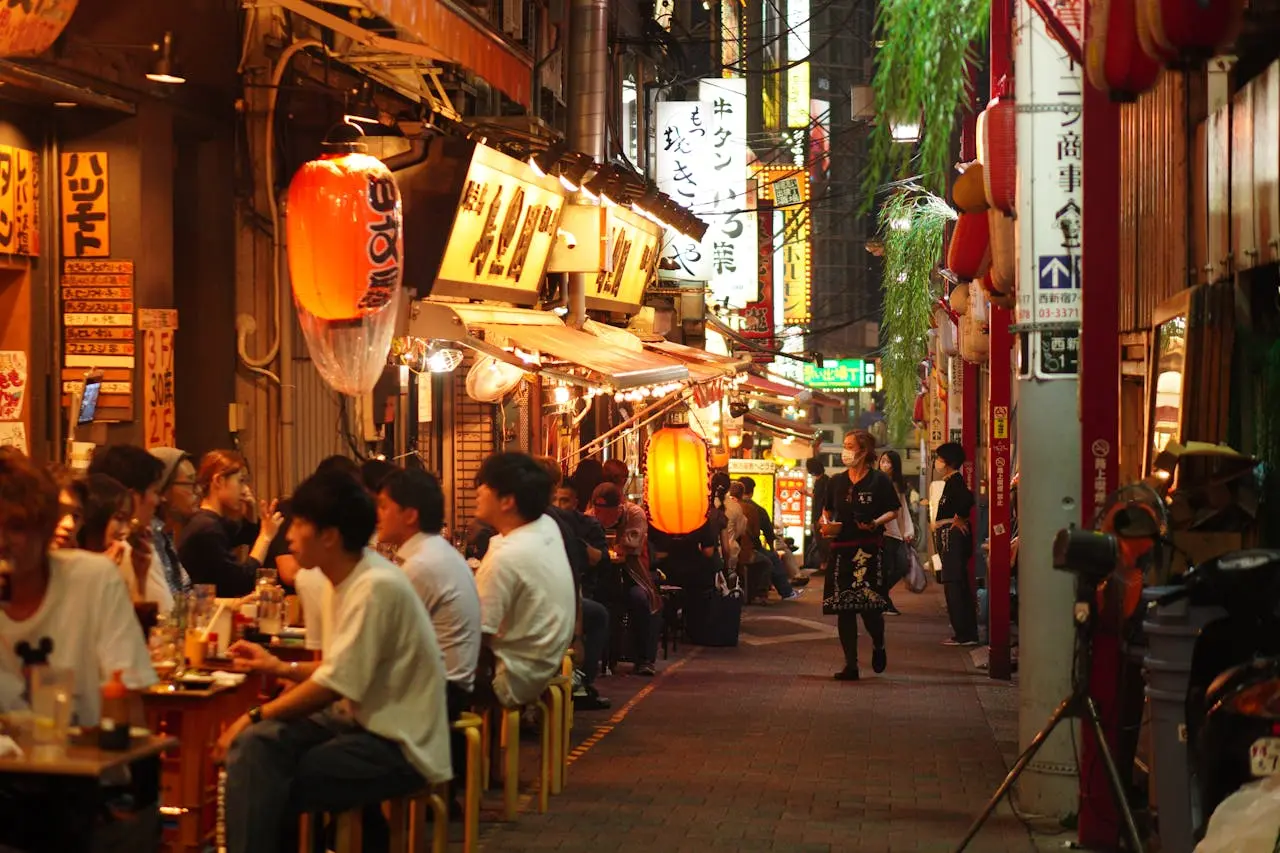 Omoide Yokocho
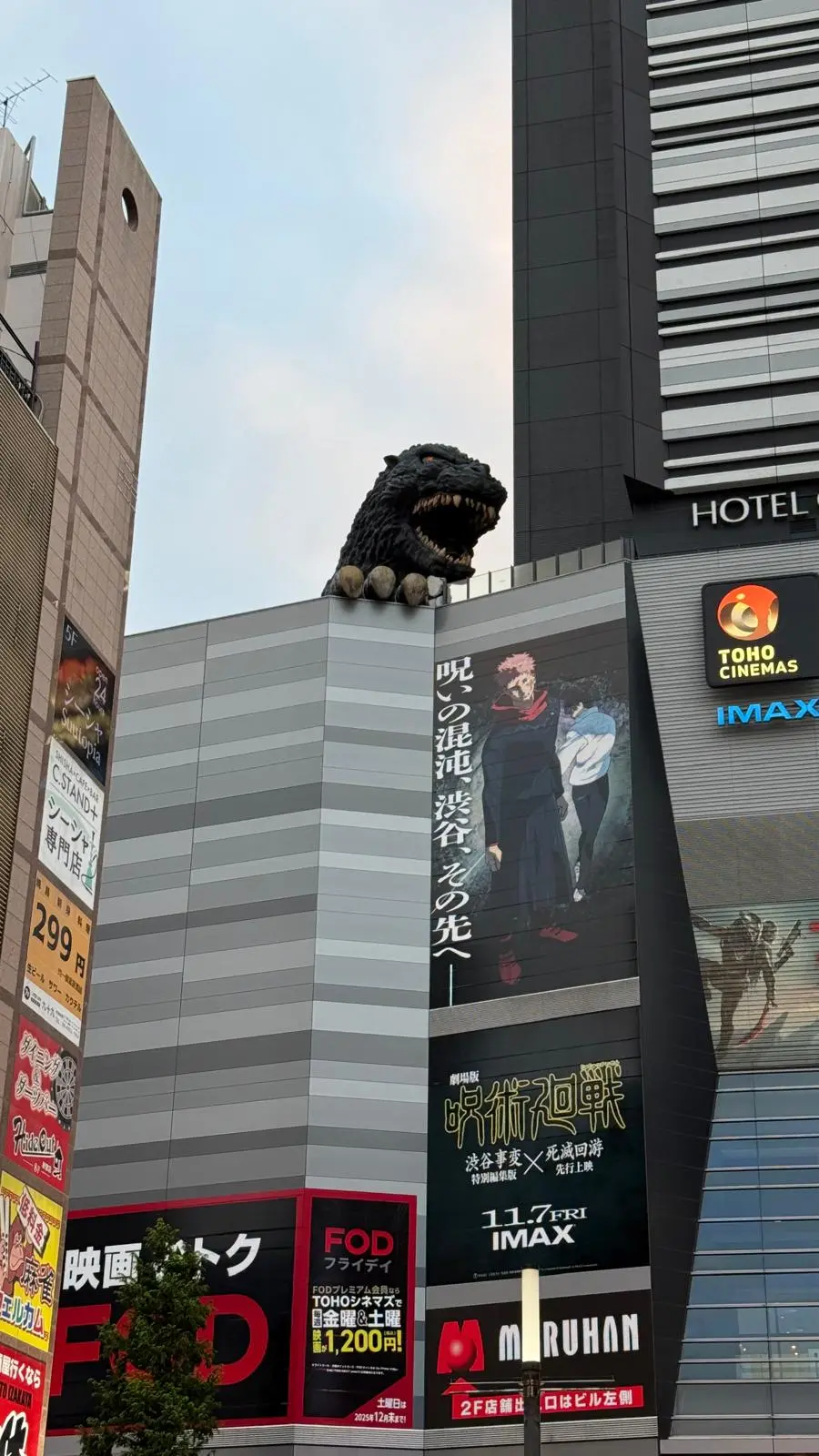 Godzilla
Road
Just when you think Shinjuku is all neon and noise, Shinjuku Gyoen quietly steals the show. This massive garden is a peaceful escape right in the middle of the city, blending traditional Japanese landscaping with French and English garden styles. Shinjuku Gyoen was once a private garden for the Japanese imperial family before opening to the public after World War II.
During the cherry blossom season, it becomes one of Tokyo’s most beautiful and surprisingly relaxed hanami spots.
How long to stay: At least two to three days to soak in all the action. Maybe add an extra day to cure the hangover 😉
Shinjuku works well as a base too, as it connects to almost everywhere, and because it gives you options. You can have a calm morning, a busy afternoon, and a late night, all without leaving the neighborhood.
Those are the three areas I’d recommend staying in when you visit Tokyo. They’re all centrally located and well connected to the rest of the city, making it easy to get around. If your trip allows, I’d suggest splitting your stay between Asakusa and either Shinjuku or Shibuya, since Shinjuku and Shibuya are quite close to each other anyway.
Below are the other areas you may consider staying or visiting during your trip.
Harajuku – Trendy, street art and fashion
Harajuku is playful and experimental. Takeshita Street is at the heart of it all. This narrow, always-busy lane is packed with quirky boutiques, thrift shops, themed cafés, and colorful crepe stands that have become a Harajuku rite of passage. On the weekends, you will spot people in cosplay-inspired outfits or elaborate handmade looks; not performers, just locals celebrating individuality.
Ginza – Polished and Luxurious
Ginza is elegance. Department stores, flagship boutiques, art galleries, and refined dining define this district. Even if you’re not shopping, walking through Ginza feels like stepping into a curated version of the city.
Akihabara – Pop Culture Capital
Akihabara celebrates anime, gaming, electronics, and all things otaku. Bright signs, themed cafes, retro game shops, and multi-floor hobby stores create an atmosphere that feels futuristic and nostalgic at once. Even casual visitors find it fascinating.
Ueno & Yanaka – Museums and Slow Streets
Ueno is home to some of Tokyo’s best museums and a large public park that’s especially beautiful during cherry blossom season. Nearby Yanaka offers a quieter, more residential feel — narrow streets, old houses, small temples, and a pace that invites wandering.
Culture, Etiquette & Local Life
Tokyo is polite, orderly, and quietly expressive.
You’ll notice people bow slightly instead of shaking hands, speak softly on trains, and treat even small interactions with care. A few cultural habits go a long way:
- Keep your phone silent on public transport
- Stand on one side of escalators
- Remove shoes when entering homes, temples, or traditional accommodations
- Tipping is not expected — good service is a standard
To experience Tokyo beyond sightseeing, consider:
- Wearing a kimono for a day in Asakusa
- Attending a tea ceremony or meditation session
- Visiting a neighborhood bathhouse or onsen
- Watching sumo practice in the Ryogoku area
These moments often become the most memorable.
Tokyo’s Food Scene: From Everyday to Extraordinary
Tokyo is one of the world’s greatest food cities — not just for fine dining, but for everyday eating.
Casual & Affordable
Ramen shops, udon counters, curry houses, and rice bowl restaurants serve deeply satisfying meals at reasonable prices. Convenience stores offer high-quality snacks and meals that are genuinely good, not just “acceptable.”
Mid-Range & Local Favorites
Izakayas are everywhere — informal places where people gather after work for grilled skewers, small plates, and drinks. Sushi, tempura, yakitori, and regional Japanese dishes are widely available without needing reservations or big budgets.
Fine Dining & Luxury
Tokyo is unmatched when it comes to high-end dining. Sushi counters with master chefs, multi-course kaiseki meals, and world-class French and Japanese fusion restaurants offer unforgettable experiences. Many luxury hotels also house excellent restaurants with skyline views.
Tokyo rewards curiosity — some of the best meals are found in tiny, unassuming places with handwritten menus.
Seasonal Festivals & Atmosphere
Tokyo changes with the seasons.
- Spring: Cherry blossoms fill parks, riversides, and temple grounds. Locals gather for hanami picnics, and the city feels celebratory yet gentle.
- Summer: Festivals, fireworks, street food, and traditional dances bring color to the heat. Expect humidity, but also vibrant energy.
- Autumn: Cooler air, golden leaves, and a relaxed pace make this one of the best times to visit.
- Winter: Illuminations, quiet shrines, crisp air, and a more local feel. New Year celebrations are culturally significant and fascinating to witness.
Each season offers a different personality — there’s no wrong time, just different experiences.
Day Trips from Tokyo
Tokyo’s location makes it an ideal base.
- Hakone: Hot springs, nature, and views of Mount Fuji
- Kamakura: Coastal temples, giant Buddha, and historic streets
- Nikko: Ornate shrines and forested landscapes
- Yokohama: Waterfront views, modern architecture, and the biggest Chinatown in Japan.
- Kawagoe: A preserved Edo-era town perfect for half a day
Each offers a completely different atmosphere from Tokyo itself.
Practical Travel Tips
- Getting Around: Use a prepaid IC card (Suica or Pasmo) for trains, subways, and buses. Tokyo has one of the most expensive Taxis anywhere.
- Safety: Tokyo is extremely safe, even at night
- Connectivity: Pocket Wi-Fi or local SIM cards are useful
- Cash vs Cards: Cards are widely accepted, but cash is still useful in smaller places
Tokyo is efficient, intuitive, and welcoming — even if it seems overwhelming at first.